A Step-by-Step Guide to the Maryland Probate Process (and How to Avoid Delays)
When a loved one passes away, families are often left navigating grief and paperwork at the same time. One of the most common legal processes that follows is probate.
If you’re facing probate in Maryland — or planning ahead to make things easier for your family — here’s a clear, step-by-step breakdown of how the process works and how to avoid unnecessary delays.
What Is Probate?
Probate is the court-supervised process of settling a deceased person’s estate. It ensures that:
- A valid will is recognized (if one exists)
- Debts and taxes are paid
- Remaining assets are distributed properly
In Maryland, probate is handled through the Register of Wills in the county where the person lived.
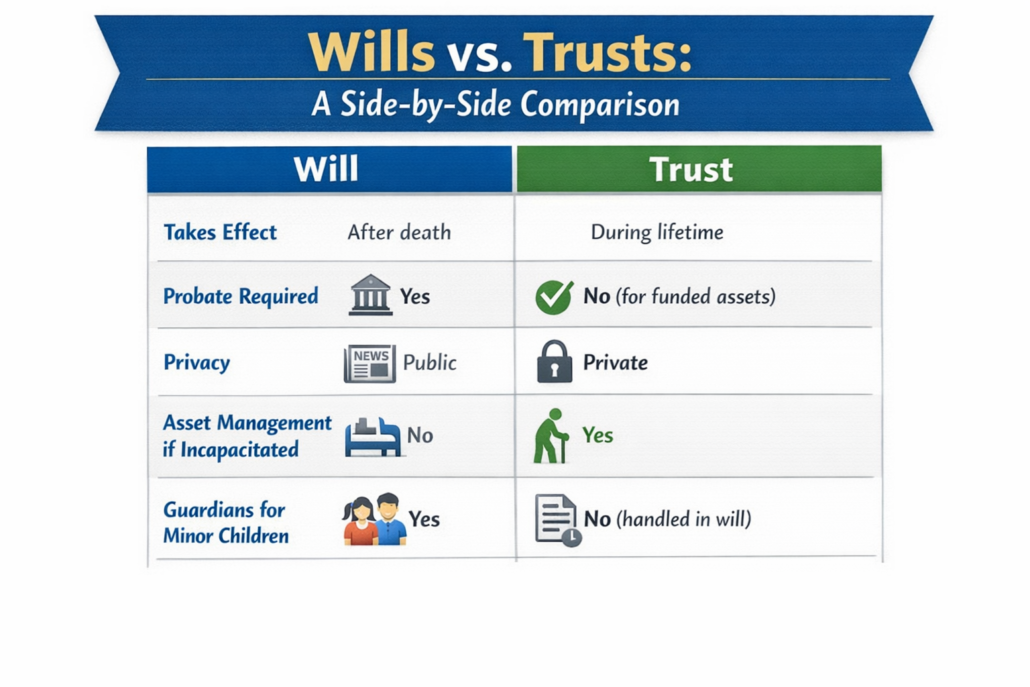
Not every asset goes through probate. Jointly owned property, life insurance with named beneficiaries, and assets held in a properly funded trust may pass outside of court. But when assets are titled solely in the deceased’s name, probate is typically required.
Step 1: Determine Whether Probate Is Required
Maryland offers two types of probate:
Small Estate Administration
Applies when the probate estate is valued at $50,000 or less (or $100,000 or less if the spouse is the sole heir).
Regular Estate Administration
Applies when the estate exceeds those thresholds.
The type of administration affects the paperwork, timeline, and complexity of the process.
Step 2: File the Petition with the Register of Wills
The personal representative (also known as the executor) must file:
- The will (if there is one)
- A petition for probate
- A death certificate
- Required forms and filing fees
Once approved, the court formally appoints the personal representative and issues “Letters of Administration.” This document gives legal authority to act on behalf of the estate.
Step 3: Notify Interested Parties and Creditors
Maryland law requires that:
- Heirs and beneficiaries are formally notified
- Creditors are notified through publication
Creditors typically have six months from the date of death to file claims. During this time, the estate cannot be fully closed.
This waiting period is one reason probate often takes longer than families expect.
Step 4: Inventory and Value the Estate
The personal representative must:
- Identify all probate assets
- Determine date-of-death values
- File a formal inventory with the court
This can include bank accounts, real estate, vehicles, investments, and personal property.
Accurate valuation is critical. Errors here can create delays, tax complications, or disputes.
Step 5: Pay Debts, Taxes, and Expenses
Before any distributions are made, the estate must pay:
- Funeral expenses
- Valid creditor claims
- Administrative expenses
- Maryland inheritance tax (if applicable)
- Final income taxes
Maryland does not have a state estate tax for smaller estates, but tax issues still arise in certain situations.
Step 6: Distribute Remaining Assets
After debts and claims are resolved, the personal representative submits an accounting to the court.
Once approved, remaining assets are distributed according to:
- The terms of the will, or
- Maryland intestacy laws (if there is no will)
Only after court approval can the estate be formally closed.
How Long Does Probate Take in Maryland?
Even in straightforward cases, probate often takes 9 to 18 months. More complex estates can take longer.
Common causes of delay include:
- Missing or unclear estate documents
- Disputes among heirs
- Difficulty locating assets
- Improperly filed paperwork
- Tax complications
While some delays are unavoidable, many can be prevented with proper planning.
How to Avoid Probate Delays — or Probate Altogether
1. Create a Clear, Updated Will
Ambiguity leads to disputes. A properly drafted will reduces confusion and court challenges.
2. Consider a Revocable Living Trust
Assets held in a funded trust bypass probate entirely. This can significantly reduce time, costs, and public exposure.
3. Keep Beneficiary Designations Updated
Retirement accounts and life insurance policies pass outside probate when beneficiaries are clearly named.
4. Organize Financial Records
A well-organized estate is easier — and faster — to administer.
5. Work with an Experienced Maryland Probate Attorney
Guidance at the beginning often prevents months of complications later.
The Bigger Picture
Probate isn’t inherently “bad.” It’s a structured legal process designed to protect heirs and creditors.
But without planning, it can become time-consuming, expensive, and stressful — especially during an already difficult time.
The right estate plan doesn’t just distribute assets. It reduces friction, protects privacy, and gives your family clarity when they need it most.
Need Help Navigating Maryland Probate?
Whether you are currently serving as a personal representative or planning ahead to protect your family from delays, experienced legal guidance makes a difference.
The Law Office of David N. Mabrey helps Maryland families move through probate efficiently — and build estate plans that minimize court involvement whenever possible.
Contact us today to schedule a consultation and protect your family from unnecessary delays.
👉🏼 https://davidnmabreylaw.com/contact-us/
Frequently Asked Questions
1. How do I know if probate is required in Maryland?
Probate is generally required if the deceased person owned assets solely in their name without a designated beneficiary. If assets were jointly owned, placed in a trust, or had named beneficiaries (like life insurance or retirement accounts), those may pass outside of probate. A quick review of how assets are titled can clarify whether probate is necessary.
2. What qualifies as a “small estate” in Maryland?
In Maryland, a small estate is typically valued at $50,000 or less — or $100,000 or less if the surviving spouse is the sole heir. Small estate administration is usually faster and involves simplified procedures.
3. How long does probate take in Maryland?
Even in straightforward cases, probate often takes 9 to 18 months. The timeline depends on factors like creditor claims, court schedules, tax filings, and whether disputes arise among heirs.
4. Can assets be distributed before probate is finished?
Generally, no. The personal representative must first resolve creditor claims, pay taxes, and obtain court approval before distributing assets. Distributing assets too early can create personal liability for the representative.
5. What happens if someone dies without a will in Maryland?
If there is no will, Maryland’s intestacy laws determine who inherits. The distribution depends on whether the deceased had a spouse, children, or other close relatives. The court will appoint a personal representative to manage the estate.
6. What are the responsibilities of a personal representative?
The personal representative must:
- File probate paperwork with the Register of Wills
- Notify heirs and creditors
- Inventory and value assets
- Pay debts and taxes
- Submit an accounting to the court
- Distribute remaining assets
It’s a significant legal responsibility that must be handled carefully.
7. Are probate records public in Maryland?
Yes. Probate proceedings are part of the public record. Anyone can access information about the estate, including asset values and distributions. Families concerned about privacy often consider trust-based planning to avoid this.
8. Can probate be avoided entirely?
In many cases, yes. Assets held in a properly funded revocable living trust, jointly owned property, and accounts with beneficiary designations typically bypass probate. Strategic estate planning can significantly reduce or eliminate the need for court involvement.
9. Do I need an attorney for probate in Maryland?
While not legally required in every case, probate involves strict deadlines, filings, and legal obligations. Mistakes can cause delays or personal liability for the representative. Many families choose to work with an experienced probate attorney to ensure the process runs smoothly.
Need Guidance Through Probate?
Probate can feel overwhelming — especially during a difficult time. The right legal guidance can help you move forward with clarity and confidence.
If you have questions about the Maryland probate process or want to plan ahead to avoid delays, contact The Law Office of David N. Mabrey today.